Building Confidence Through Dance: Techniques for Coaches
Dance is not just an art form; it can also serve as a powerful tool for social reintegration and personal development. Coaches working in dance academies can leverage various techniques to help their students build confidence in a supportive environment.
Understanding the Role of Dance in Confidence Building
According to research published in the Journal of Dance Education, dance can significantly enhance self-esteem and body awareness. Individuals often report feeling more confident and capable after engaging in dance activities. This is largely due to the physical, mental, and social benefits that dance provides. When participants learn to let go of their inhibitions and express themselves, they open the door to personal growth.

"Studies show that regular participation in dance can lead to improved self-confidence and social skills, especially in group settings."
Effective Techniques for Coaches
Here are several practical techniques that coaches can implement in their dance sessions to foster confidence:
- Positive Reinforcement: Coaches should focus on celebrating small successes. According to experts, acknowledging individual achievements can boost morale and encourage continued participation.
- Create a Safe Environment: Establishing a supportive community is essential. Many users report that a non-judgmental atmosphere allows them to take risks and step outside their comfort zones, which is crucial for confidence building.
- Set Realistic Goals: Setting achievable targets helps dancers track their progress, making it easier to build on their skills over time. Research indicates that when individuals have clear goals, they are more likely to feel a sense of accomplishment.
Incorporating Group Sessions
Group sessions can play a pivotal role in enhancing confidence through shared experiences. Coaches should consider the following:
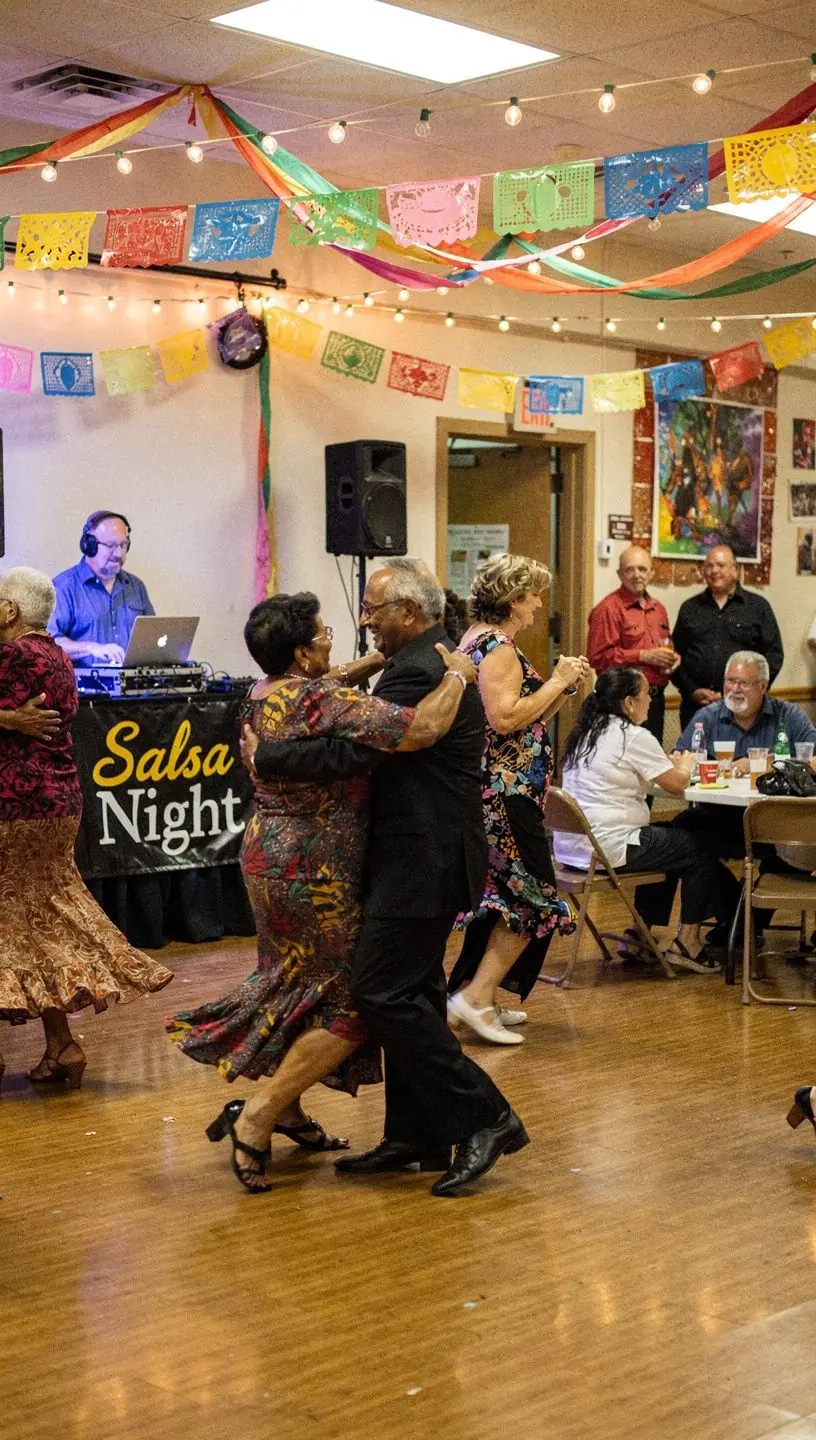
- Encourage Collaboration: Facilitating group activities allows participants to learn from each other, fostering a sense of belonging.
- Peer Feedback: Constructive criticism from peers, rather than just coaches, can help dancers see their strengths from different perspectives.
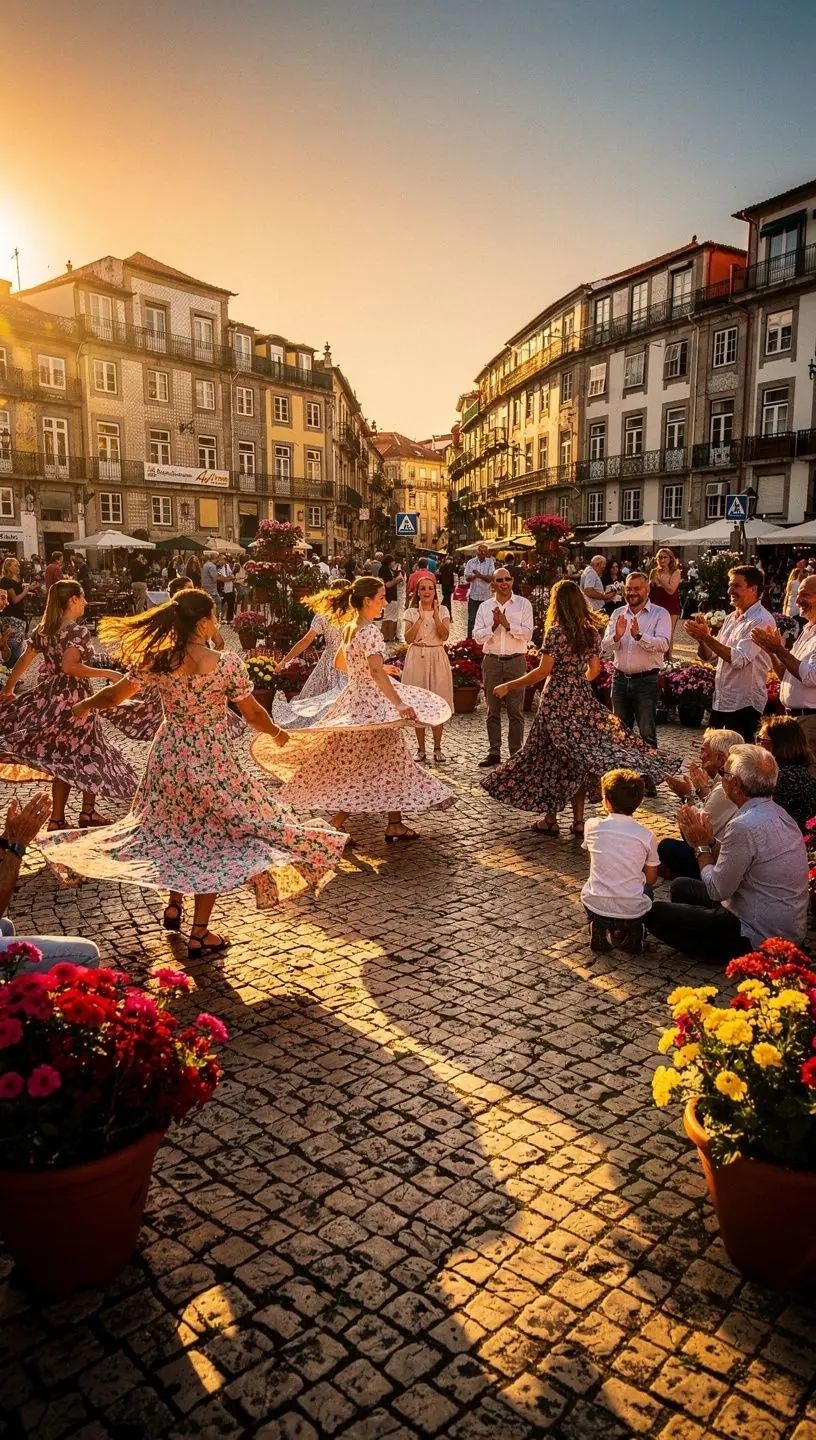
- Group Performances: Organizing small performances within a safe setting helps participants experience the thrill of performing while receiving support from their peers.
Acknowledging Limitations
While these techniques can be effective, it’s important to acknowledge some limitations. Building confidence through dance typically takes time and requires consistent practice. Results may vary depending on the individual’s background, prior experience, and commitment level.
Furthermore, some techniques may not be suitable for every participant. For instance, individuals who are extremely shy or have had negative experiences with performance may require a more tailored approach.
Conclusion
In conclusion, dance can serve as a powerful medium for building confidence among individuals in various social contexts. By employing techniques such as positive reinforcement, creating a safe environment, and incorporating group dynamics, coaches can significantly enhance their students' self-esteem. While the journey to confidence is often gradual, the benefits are well-documented and can lead to profound personal growth.