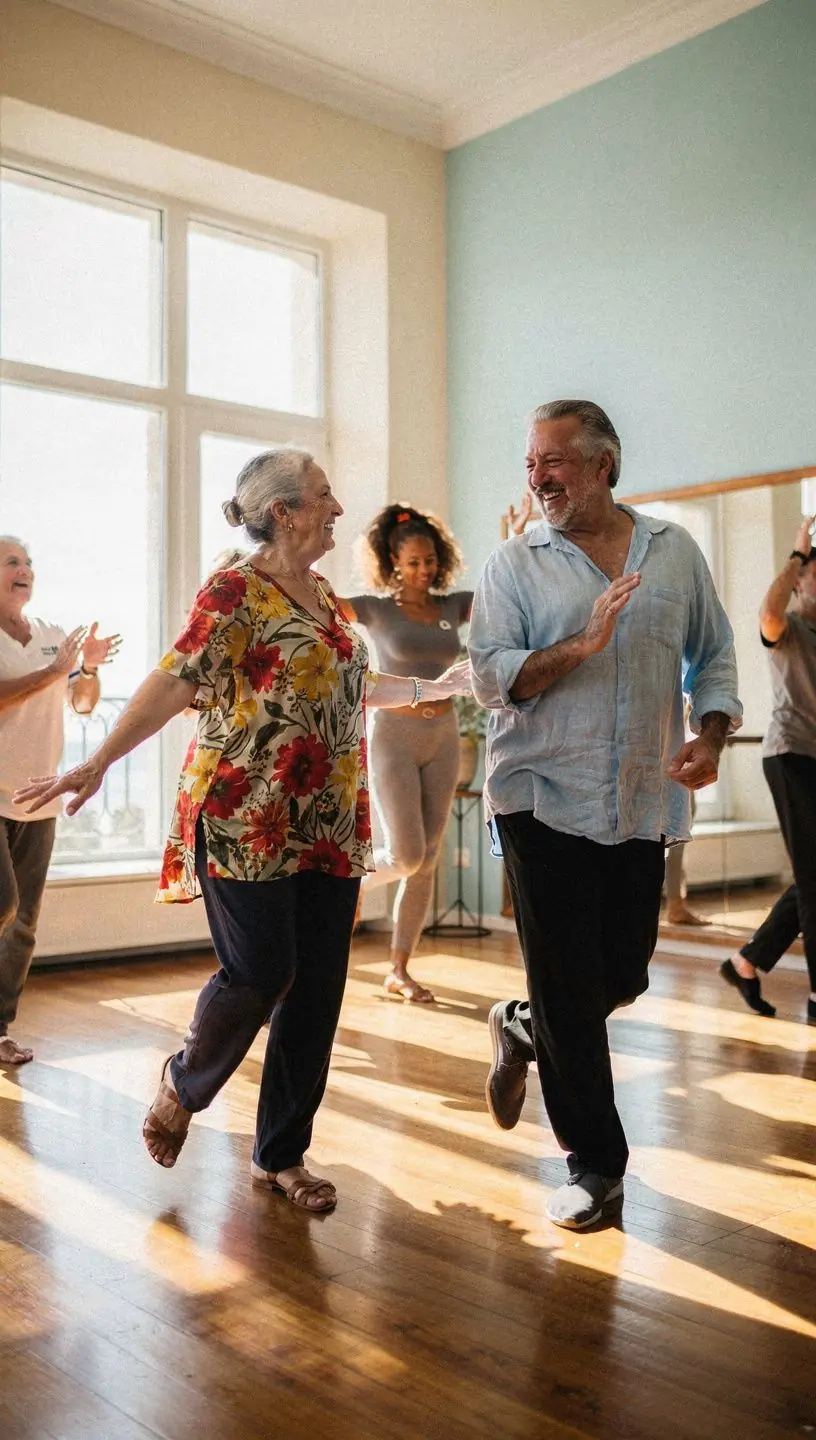
The Science Behind Dance as a Tool for Social Engagement
Dance is more than just an art form; it serves as a powerful catalyst for social engagement and reintegration, especially when structured within group sessions. In this article, we explore the science behind dance as a tool for fostering community and social interaction.
Understanding the Basics of Dance and Social Engagement
According to research in social psychology, engaging in group activities, such as dance, can improve social cohesion and reduce feelings of isolation. Dance promotes interaction through shared movement, rhythm, and expression, making it an effective tool for building relationships. Experts recommend incorporating dance into community programs to enhance social skills and emotional well-being.
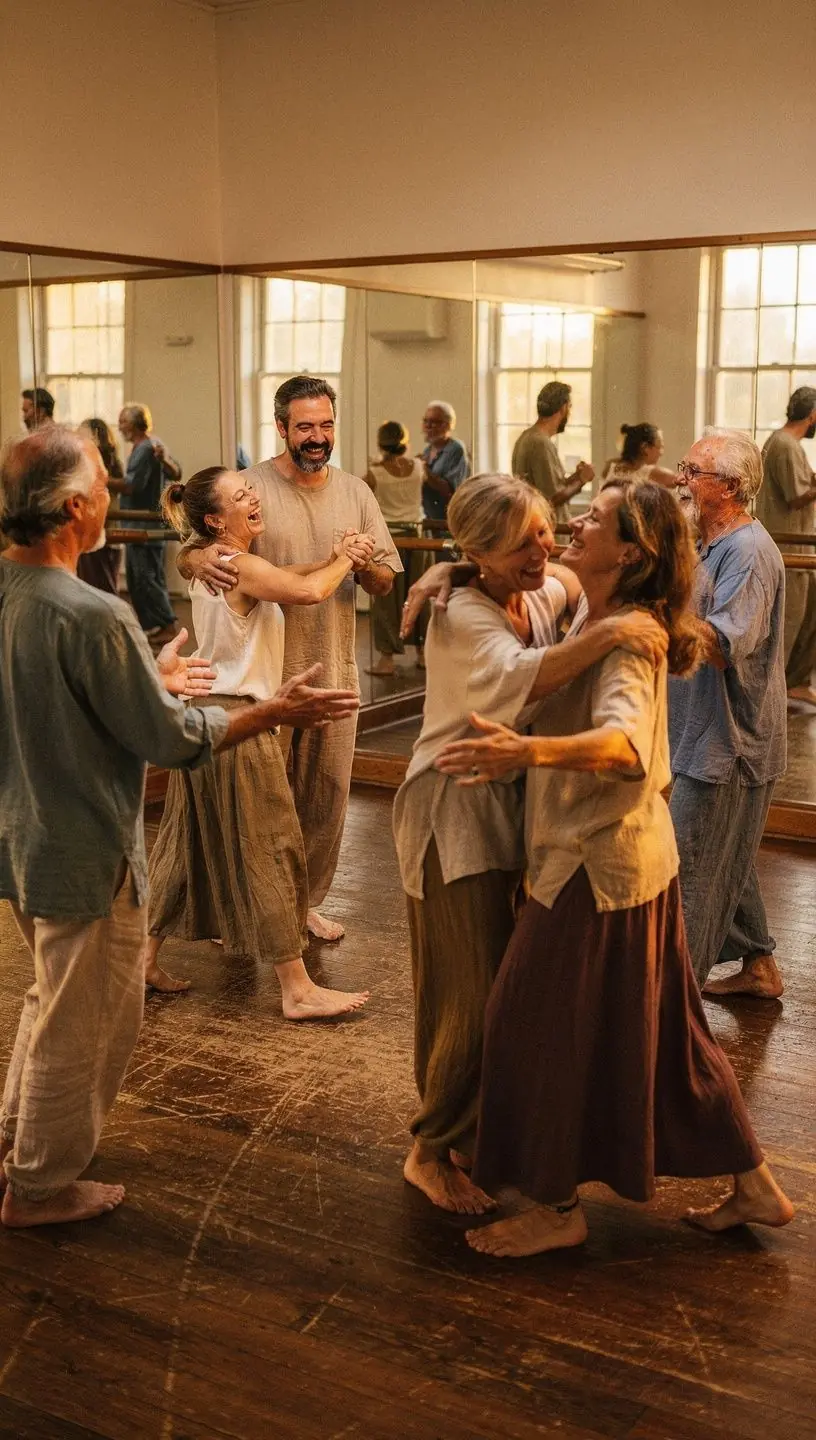
"Studies show that participating in group dance activities often leads to improved social connections and personal confidence."
The Psychological Principles Behind Dance
The principle behind the effectiveness of dance lies in its ability to activate both physical and emotional responses. When individuals engage in rhythmic movement, their brains release endorphins, which can lead to feelings of happiness and reduced anxiety. This biochemical process fosters a sense of well-being that is crucial for social interaction.
Additionally, dance encourages non-verbal communication, allowing participants to express emotions and connect without words. This is particularly beneficial in diverse groups where language barriers may exist.
Practical Application in Coaching Academies
- Structure dance events that incorporate both individual and group activities to maximize engagement.
- Implement regular sessions that typically last 1-2 hours, allowing participants adequate time to build comfort and rapport.
- Utilize various dance styles to appeal to different preferences, making the program suitable for a broad audience.
Challenges and Limitations
While dance can be a powerful tool for social engagement, it is essential to acknowledge some limitations. Participants may need time to overcome initial shyness or apprehension associated with dancing in a group setting. In many cases, results in terms of increased social interaction may take several weeks to manifest. Participants should be prepared to commit to regular sessions for optimal benefits.
Conclusion
Incorporating dance into social reintegration programs offers a unique opportunity to foster community connections and emotional well-being. By understanding the science behind dance's impact on social engagement, coaching academies can create effective programs that not only benefit participants but also contribute to a more connected society. Remember, while the journey may require dedication and time, the potential for positive social outcomes is significant.
Learn More