Developing Leadership Skills Through Dance Group Dynamics
Dance, often seen as a form of artistic expression, also serves as a powerful medium for personal development and leadership skills. In coaching academies across Portugal, structured dance events and group sessions have proven effective in fostering leadership qualities among participants. This article explores how dance group dynamics can enhance leadership skills.
Understanding the Basics of Leadership Development through Dance
Leadership is not solely about giving orders; it's about collaboration, communication, and fostering a positive environment. According to research, group activities, such as those found in dance scenarios, enhance interpersonal skills and collective problem-solving abilities. Experts suggest that when individuals engage in dance, they not only improve their physical coordination but also develop essential leadership traits.
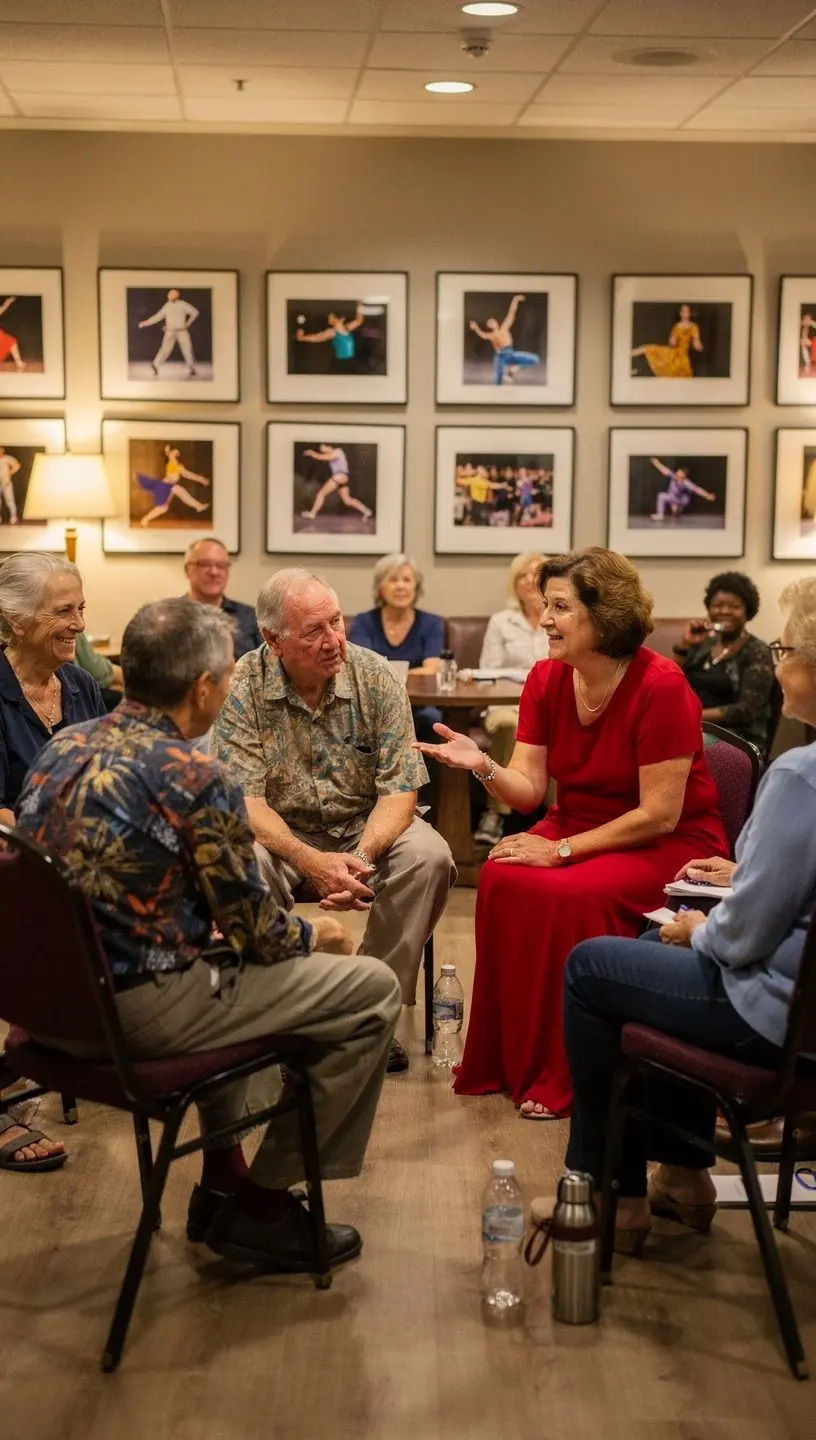
"The principles of teamwork and communication in dance mirror those required for effective leadership in any field."
The Role of Dance in Fostering Group Dynamics
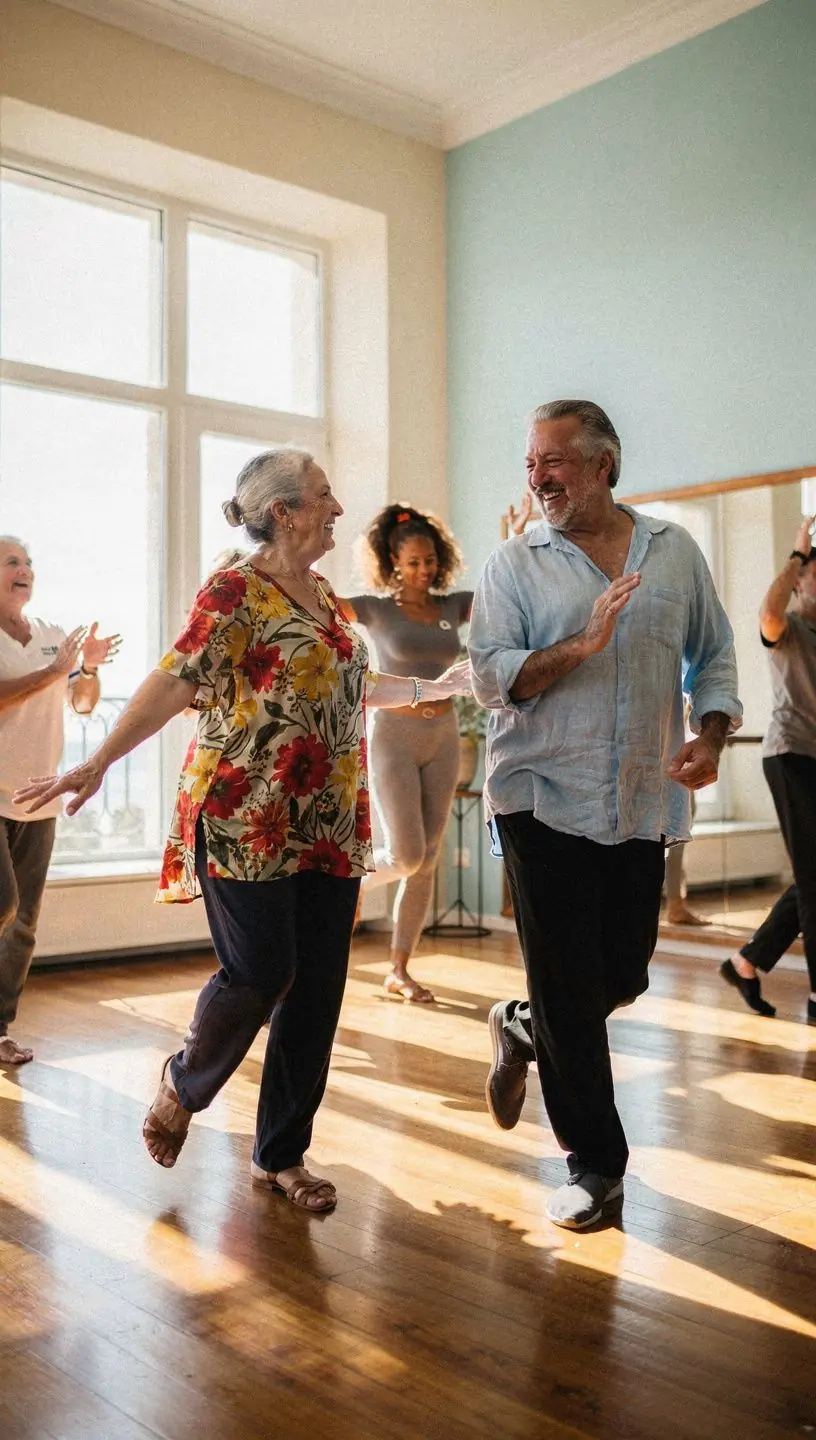
Dance involves synchronization and mutual understanding among group members. In structured group sessions, participants often experience:
- Enhanced Communication: Dance requires clear communication to achieve synchronized movements. Participants learn to express themselves effectively and listen actively to others.
- Conflict Resolution: In a group dance setting, disagreements may arise regarding movements or styles. Participants learn to navigate these conflicts, fostering a sense of compromise and collaboration.
- Building Trust: Trust is a vital component in leadership. When members rely on each other to perform complex routines, they build bonds that translate into the workplace and other areas of life.
Practical Applications of Dance for Leadership Development
The integration of dance into leadership training programs can be implemented through various techniques. A few effective strategies include:
- Structured Group Sessions: Regularly scheduled dance classes that focus on both individual and group performances can significantly enhance social skills and leadership potential. Typically, these sessions require a commitment of 1-2 hours per week over a period of several months.
- Feedback Mechanisms: Encouraging participants to provide and receive constructive feedback during dance practices can create an environment conducive to growth. This process helps individuals understand their strengths and areas for improvement.
- Leadership Roles within Groups: Rotating leadership roles during dance sessions can allow participants to experience the challenges and responsibilities of being a leader, promoting adaptability and resilience.
Challenges and Considerations
While the benefits of using dance as a tool for leadership development are evident, there are limitations to consider:
- Time Commitment: Participants typically need to dedicate time to practice and participate in sessions. Results often become visible after a commitment of several weeks or months.
- Physical Ability: Dance may not be suitable for everyone, particularly those with physical limitations or injuries. Adaptations may be necessary to accommodate varying abilities.
- Learning Curve: Mastering dance techniques takes time and patience. Individuals must be ready to accept challenges as part of the learning process.
Conclusion
In summary, developing leadership skills through dance group dynamics presents a unique opportunity for individuals seeking personal growth. By participating in structured dance sessions, individuals can enhance their communication, conflict resolution, and trust-building abilities. While the journey requires dedication and time, the potential benefits make it a worthwhile endeavor. Dance is more than just movement; it's a pathway to becoming an effective leader.
Learn More