Cultural Variations in Dance and Their Social Significance
Dance is a universal language that transcends borders and cultures. It serves as a medium for expression, connection, and social reintegration. In this article, we will explore the cultural variations in dance and highlight their significance in fostering community and individual growth.
Understanding the Basics of Dance as a Cultural Expression
Dance is often seen as a reflection of the cultural values and traditions of a society. According to research, various dance styles can reveal insights into the historical and social contexts from which they originate. For example, African dance is typically characterized by its rhythmic footwork and fluid movements, often representing community bonding and spiritual connection. In contrast, the precise movements of ballet may reflect a more structured societal view, emphasizing discipline and aesthetics.
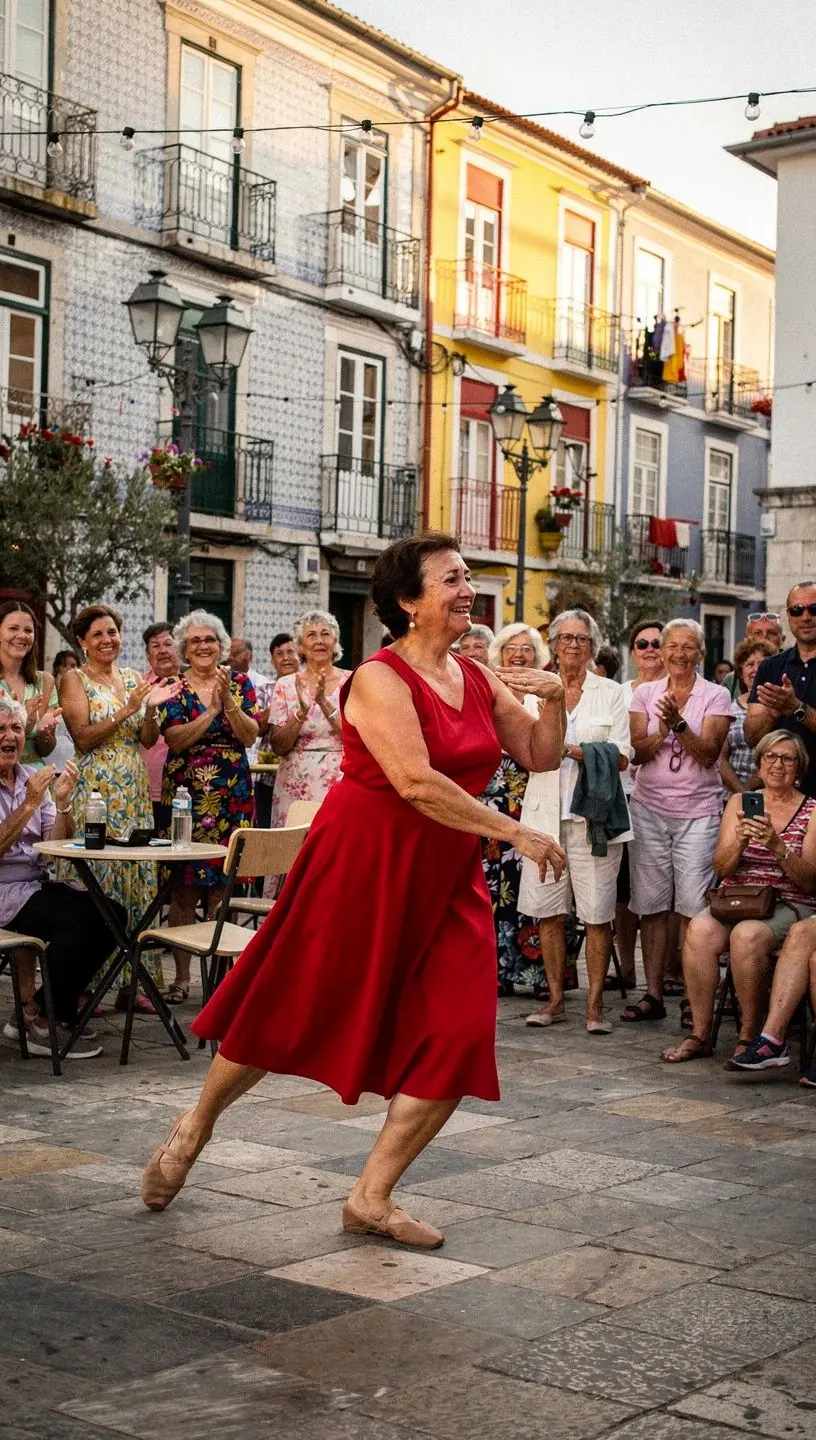
"Dance is the hidden language of the soul." - Martha Graham
The Social Significance of Dance Across Cultures
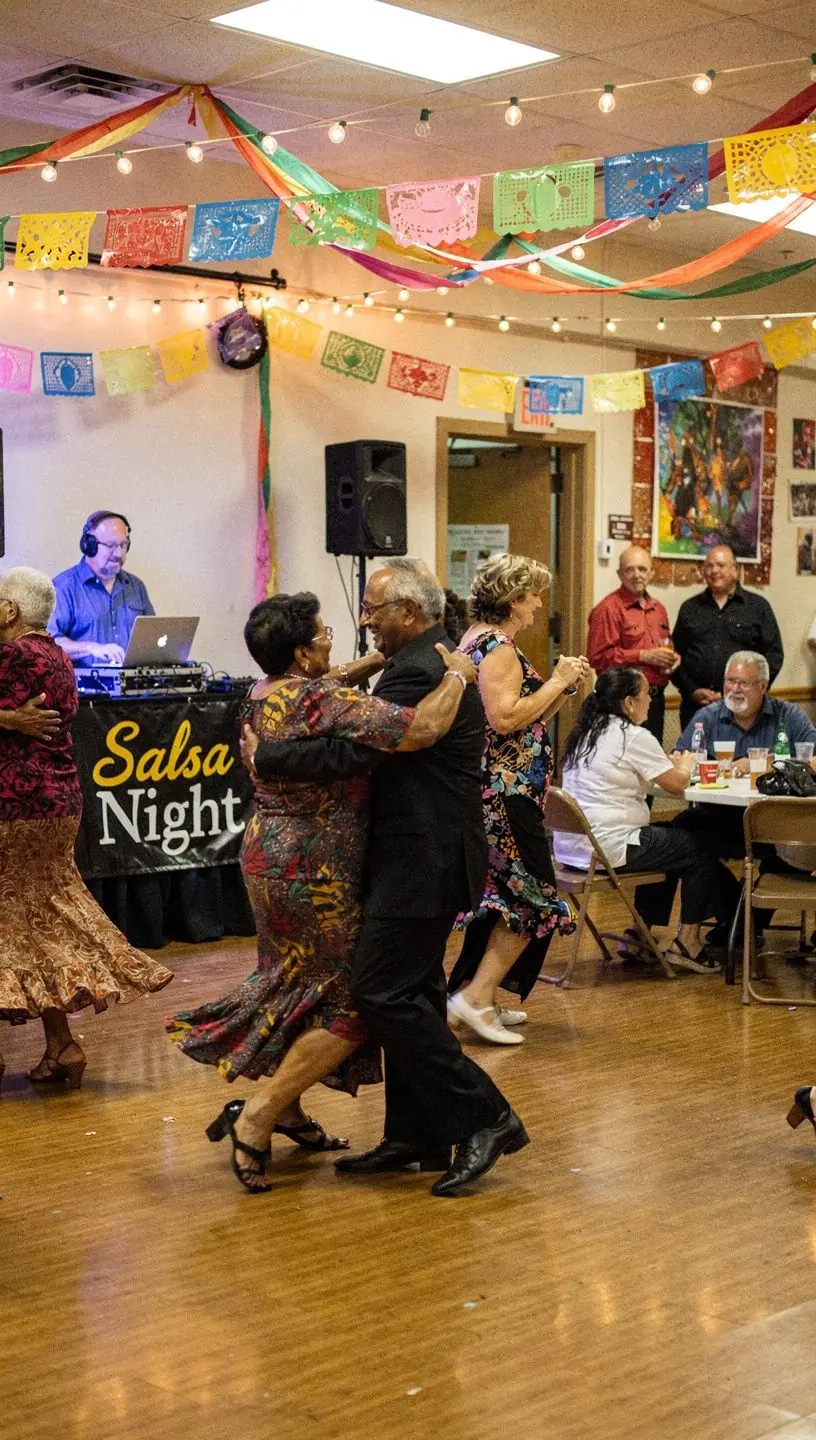
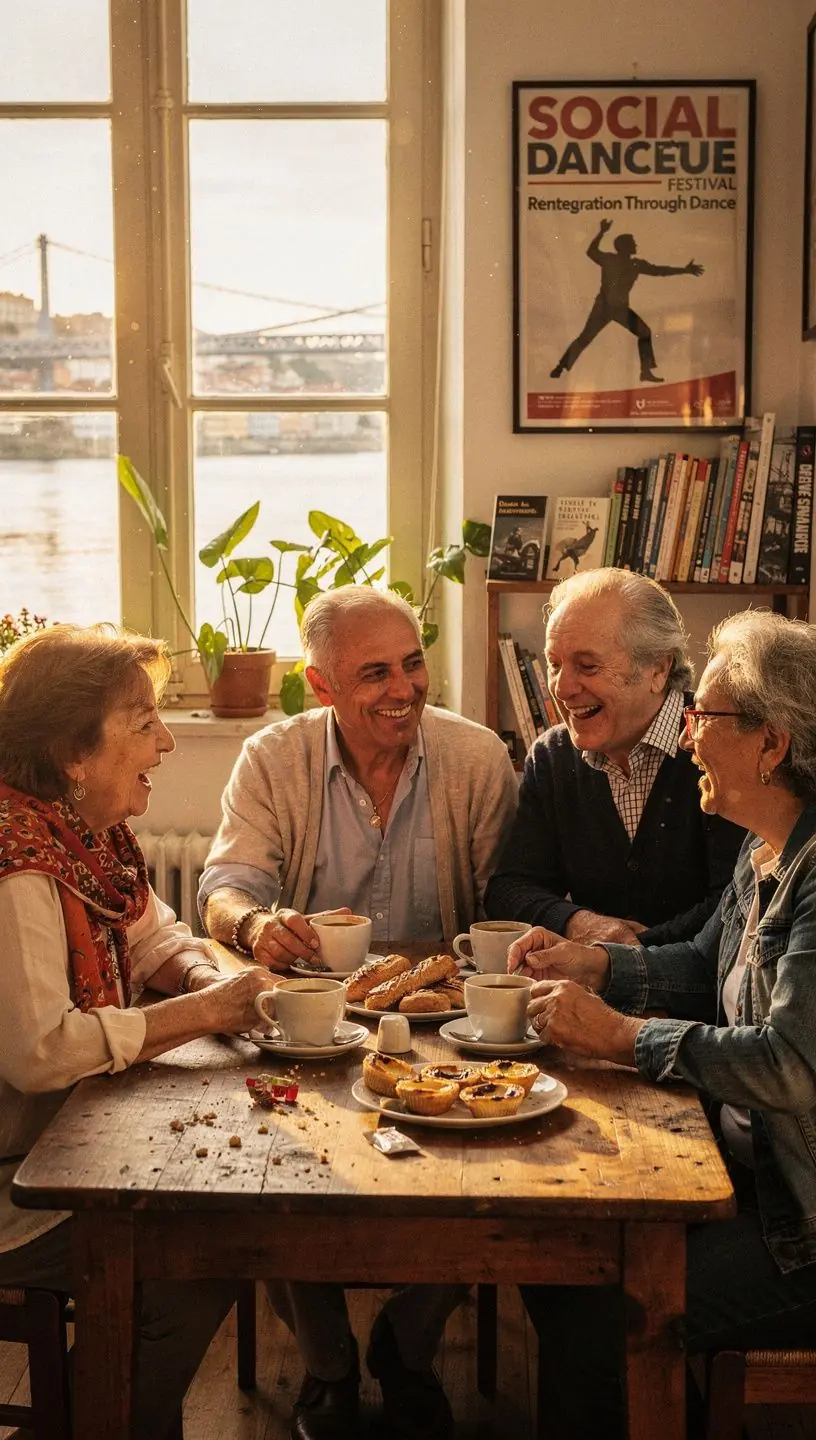
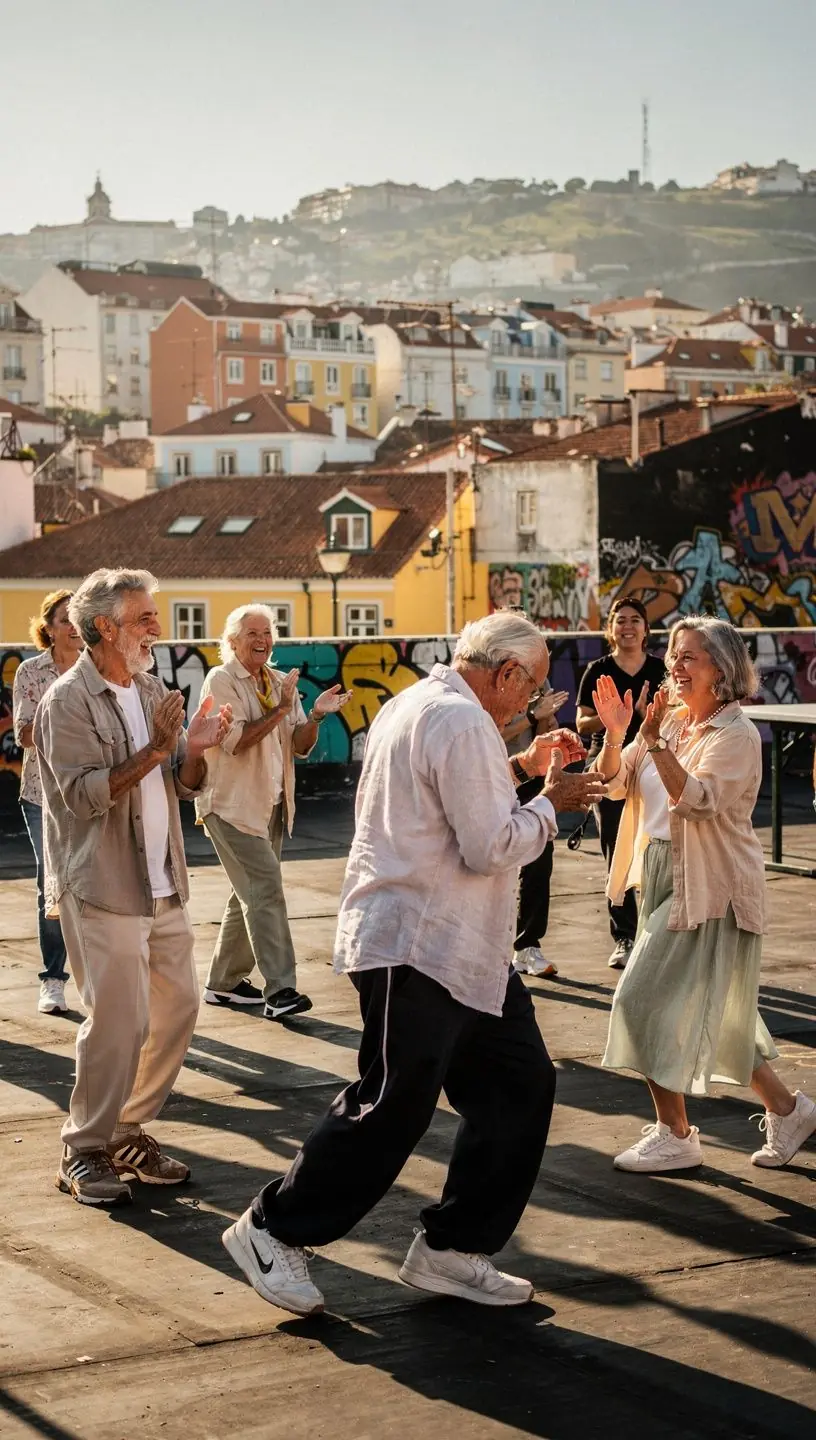
Many experts recommend engaging in dance as a means of social reintegration. This is because dance can foster community ties and promote inclusivity among diverse groups. Various studies show that participating in group dance activities can enhance interpersonal relationships and improve mental well-being.
Examples of Cultural Dance Practices
- Samba: Originating from Brazil, samba is not just a dance but a way of life that promotes joy and celebration within the community.
- Bharatanatyam: A classical Indian dance form that often tells stories from ancient texts, reinforcing cultural heritage and identity.
- Flamenco: This Spanish dance style embodies deep emotional expression and has historically been a source of community pride.
How Dance Can Aid in Social Reintegration
Engaging in dance can help with social reintegration, particularly for individuals who may feel isolated or disconnected. The principles behind this are grounded in the shared experience and emotional expression that dance facilitates. Research indicates that group dance sessions can create safe spaces for participants to express themselves, thereby fostering acceptance and belonging.
Practical Steps to Get Involved
- Find a local dance academy or community center offering classes focused on social integration.
- Commit to attending classes regularly; many participants report that consistency enhances the social benefits.
- Engage with your peers during and after sessions to build relationships and learn from one another's cultural backgrounds.
Conclusion
Understanding the cultural variations in dance and their social significance can lead to meaningful connections and personal growth. While engaging in dance typically requires commitment and practice, the benefits of improved social ties and emotional well-being can be profound. By participating in structured dance sessions, individuals can experience not only a rich cultural tapestry but also a supportive community that fosters reintegration.