Using Dance to Foster Intergenerational Connections
Intergenerational connections are vital for healthy community dynamics. Engaging in dance can serve as an effective tool to bridge gaps between different age groups, promoting social reintegration and understanding among participants. This article will explore how dance serves this purpose, supported by research and expert insights.
Understanding the Basics of Intergenerational Connections
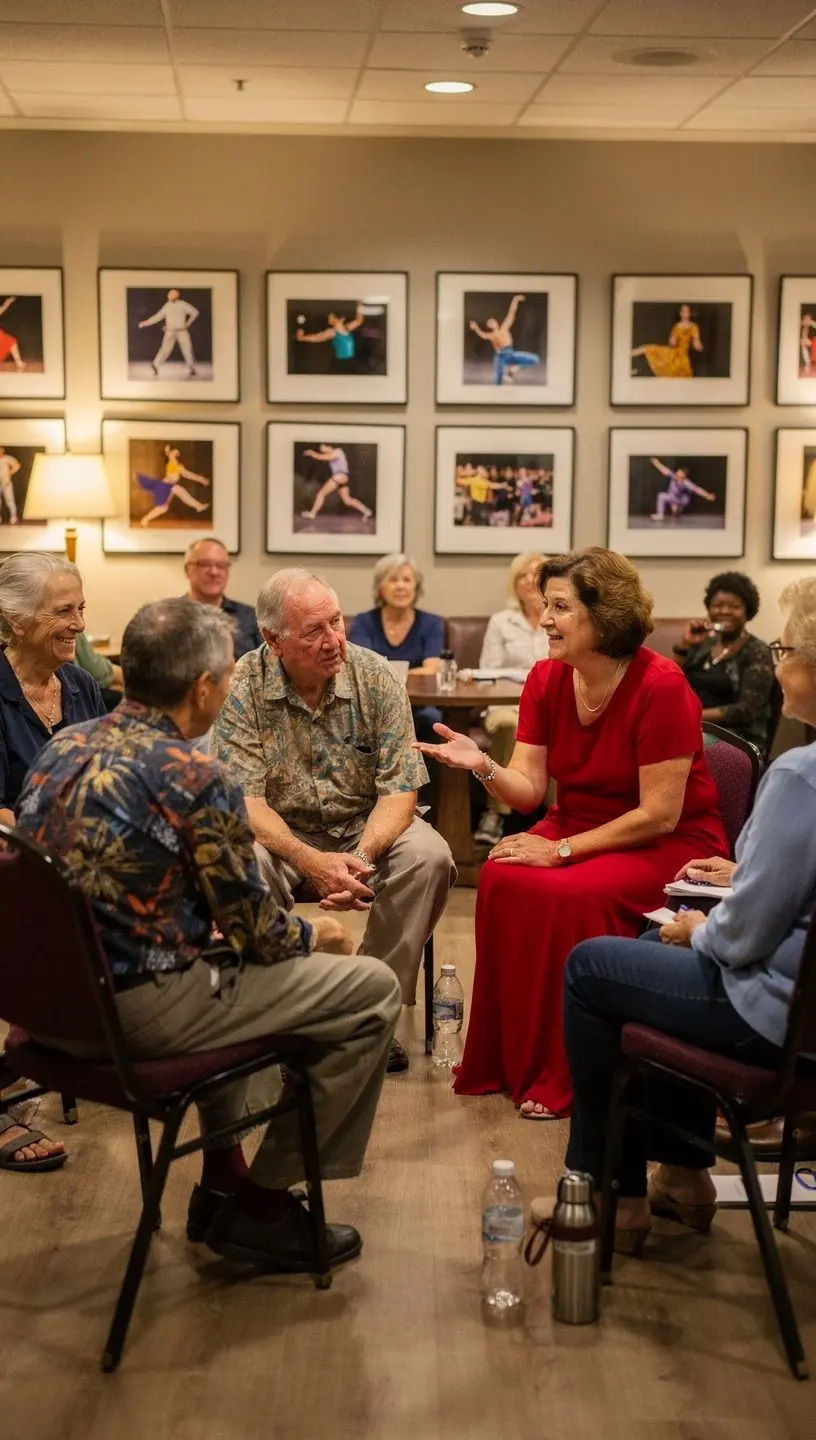
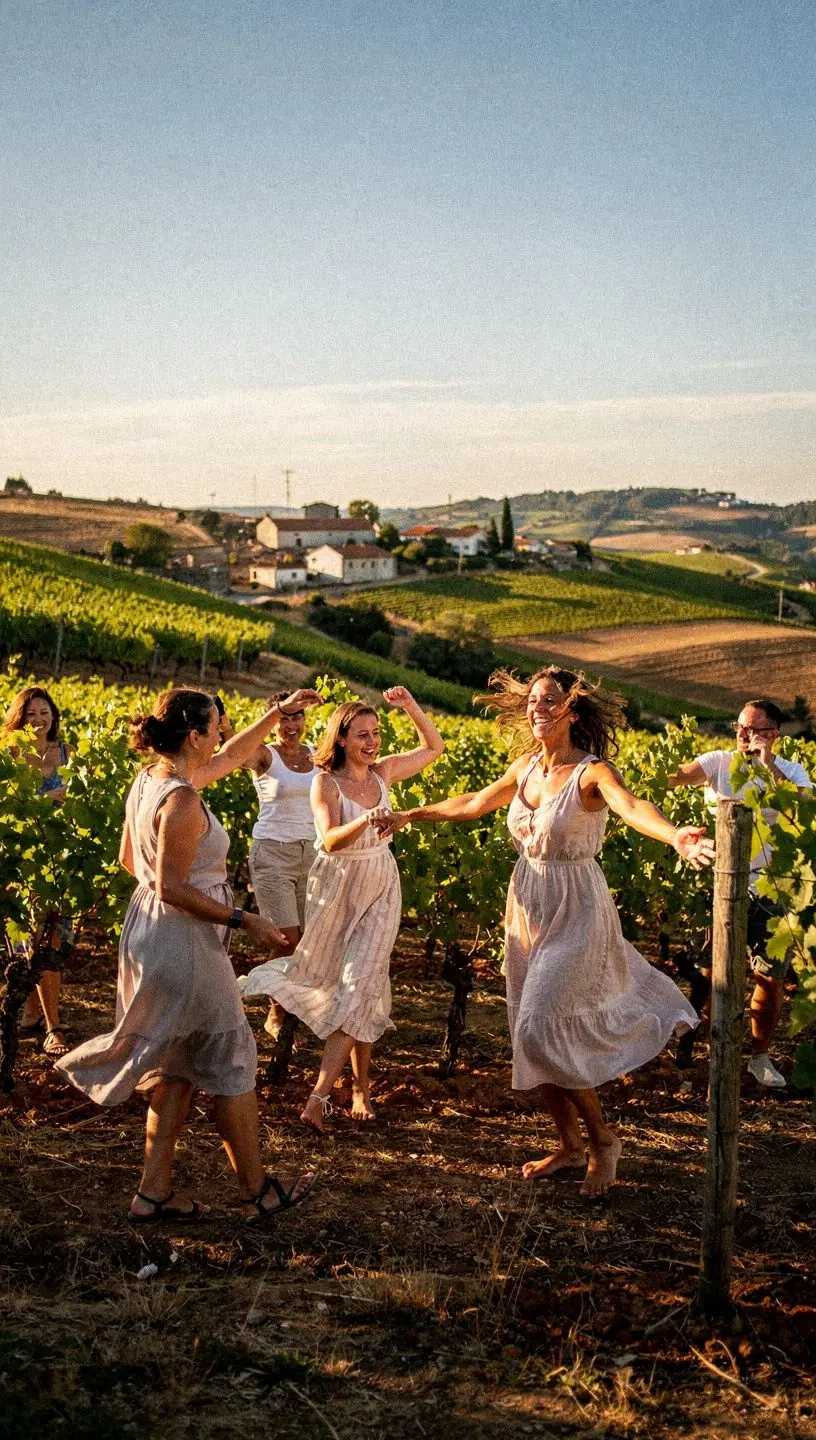
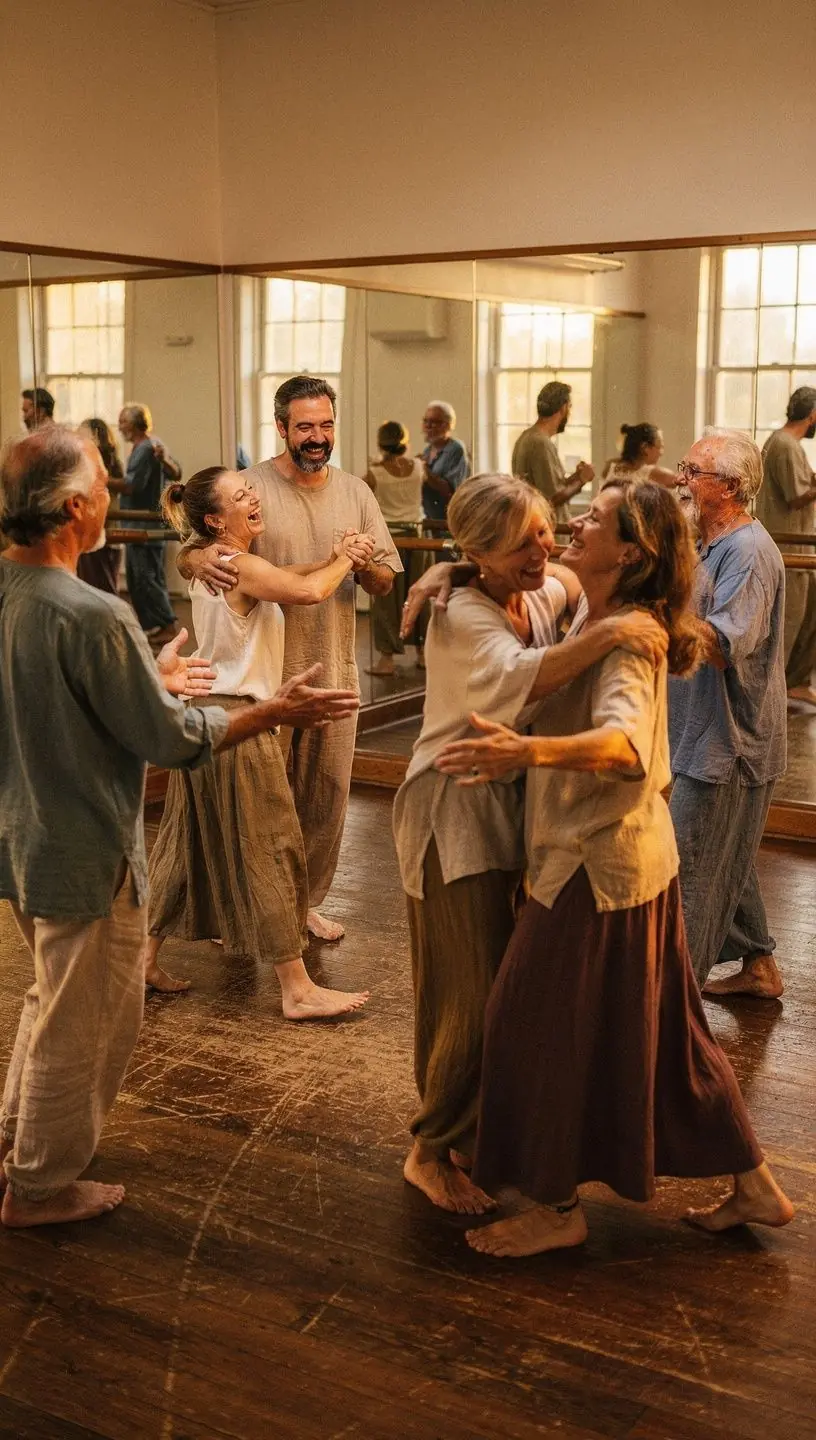
Dance is more than just a form of expression; it is a powerful medium through which people of different ages can interact, learn, and grow. According to studies, engaging in shared activities such as dance can enhance social cohesion and mutual respect between generations. This is particularly relevant in settings where individuals may feel isolated or disconnected from others.
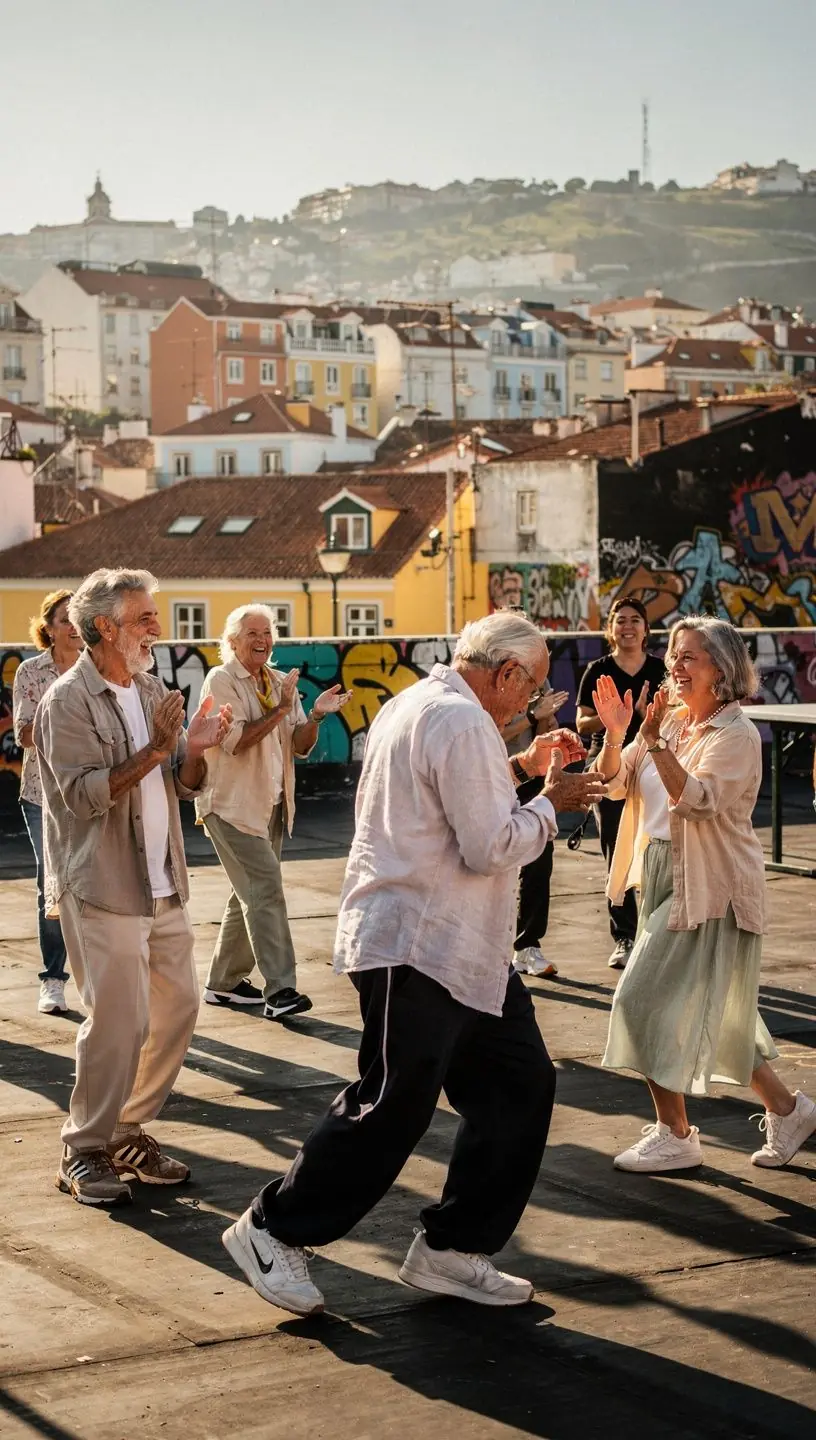
"Shared activities like dance can foster relationships across age groups, creating a sense of belonging and community." - Social Cohesion Study, 2022
The Benefits of Dance in Intergenerational Settings
Incorporating dance into intergenerational programs can provide various benefits:
- Improved Communication: Dance encourages participants to express themselves non-verbally, which can enhance understanding and empathy among different age groups.
- Increased Physical Activity: Regular engagement in dance can promote physical health, which is crucial for both older adults and younger participants. Research indicates that physical activity can improve cognitive function in older adults.
- Emotional Bonding: Participating in dance can help build emotional connections. Many users report feeling a greater sense of community and belonging after attending group dance sessions.
How to Implement Intergenerational Dance Programs
For those interested in utilizing dance for fostering intergenerational connections, here are some practical steps to consider:
- Identify Participants: Reach out to local community centers, schools, and senior organizations to find potential participants from different age groups.
- Choose Suitable Dance Styles: Select dance styles that are accessible and enjoyable for all ages. Styles such as folk dance, line dancing, or ballroom can often engage both younger and older participants.
- Create a Structured Program: Develop a program that includes both structured group sessions and informal dance events. Research suggests that structured activities with clear objectives tend to yield better engagement and results.
- Encourage Feedback: After each session, solicit feedback from participants to continuously improve the program. This iterative approach can lead to better outcomes and higher satisfaction rates.
Acknowledge Limitations
While dance can be a valuable tool for fostering intergenerational connections, it is important to acknowledge some limitations. Programs typically require consistent attendance to build relationships, which may take several weeks to become fully effective. Additionally, participants may need to overcome initial hesitations or barriers related to mobility or comfort with dancing. Thus, patience and understanding are key components in the success of such initiatives.
Conclusion
Engaging in dance can significantly contribute to fostering intergenerational connections, promoting social reintegration through shared experiences. By implementing well-structured dance programs, communities can enhance social cohesion, improve emotional bonds, and encourage physical activity among participants. Ultimately, creating a supportive environment where people of all ages can come together can lead to lasting benefits for everyone involved.
Learn More