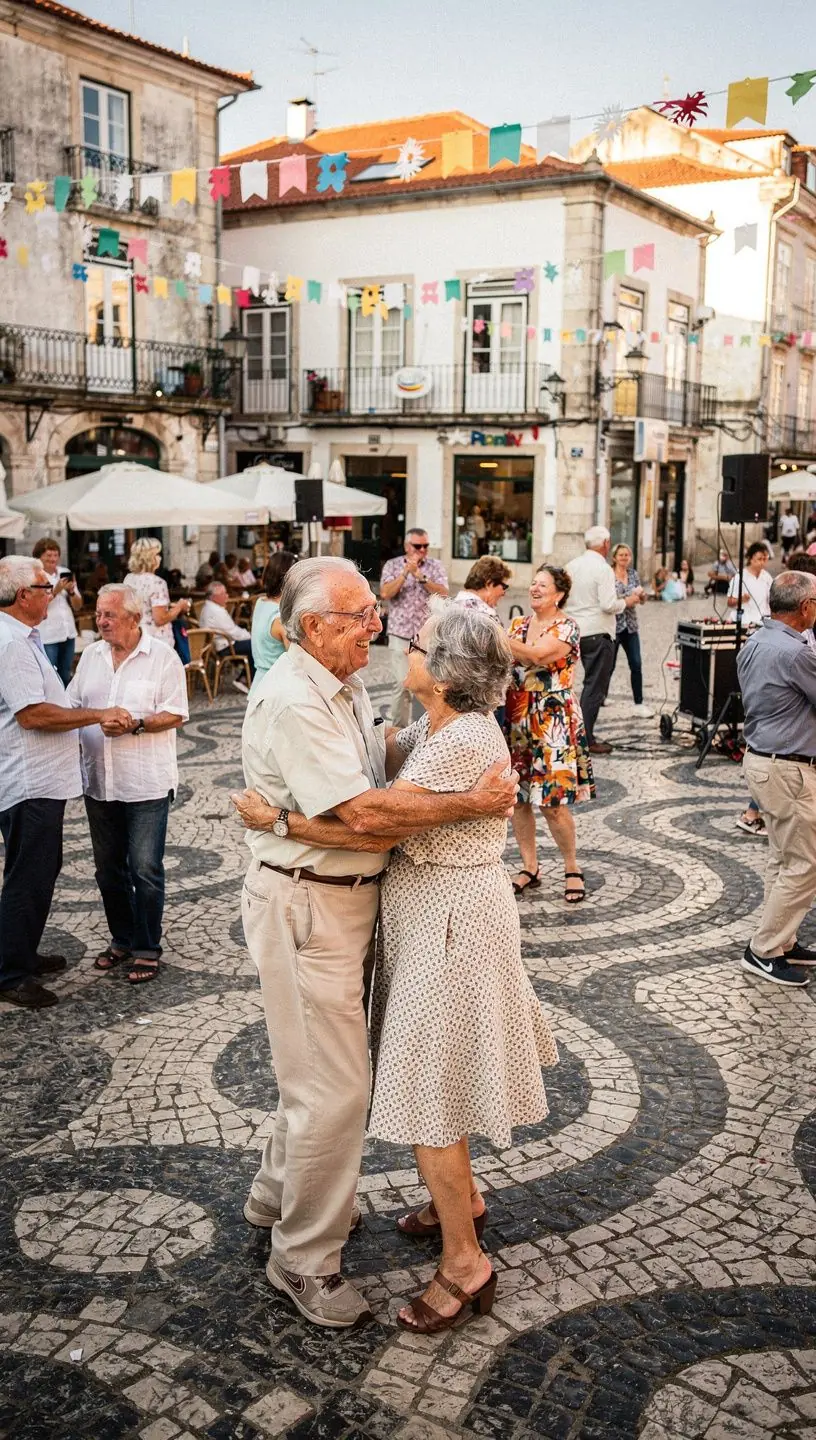
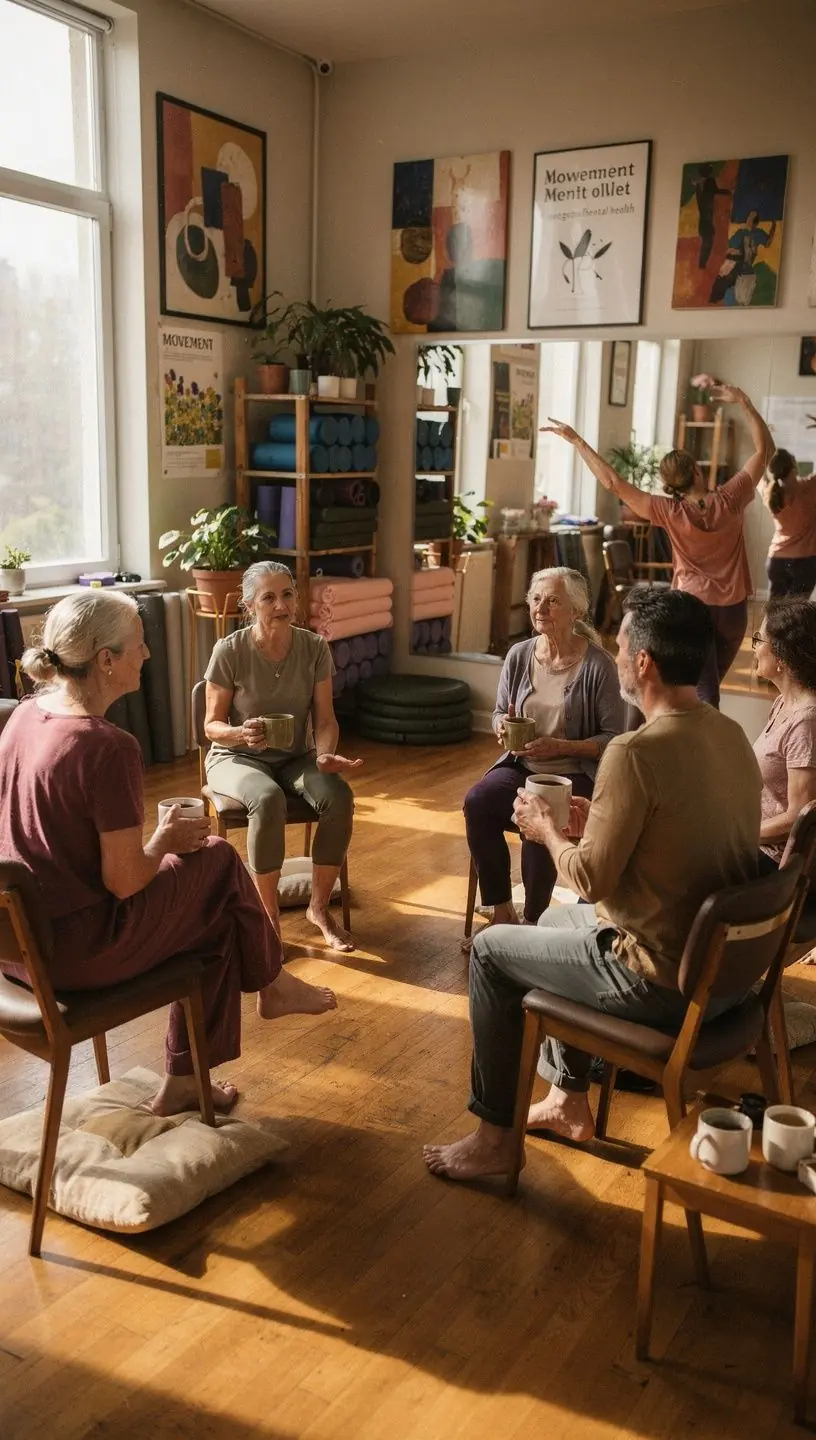
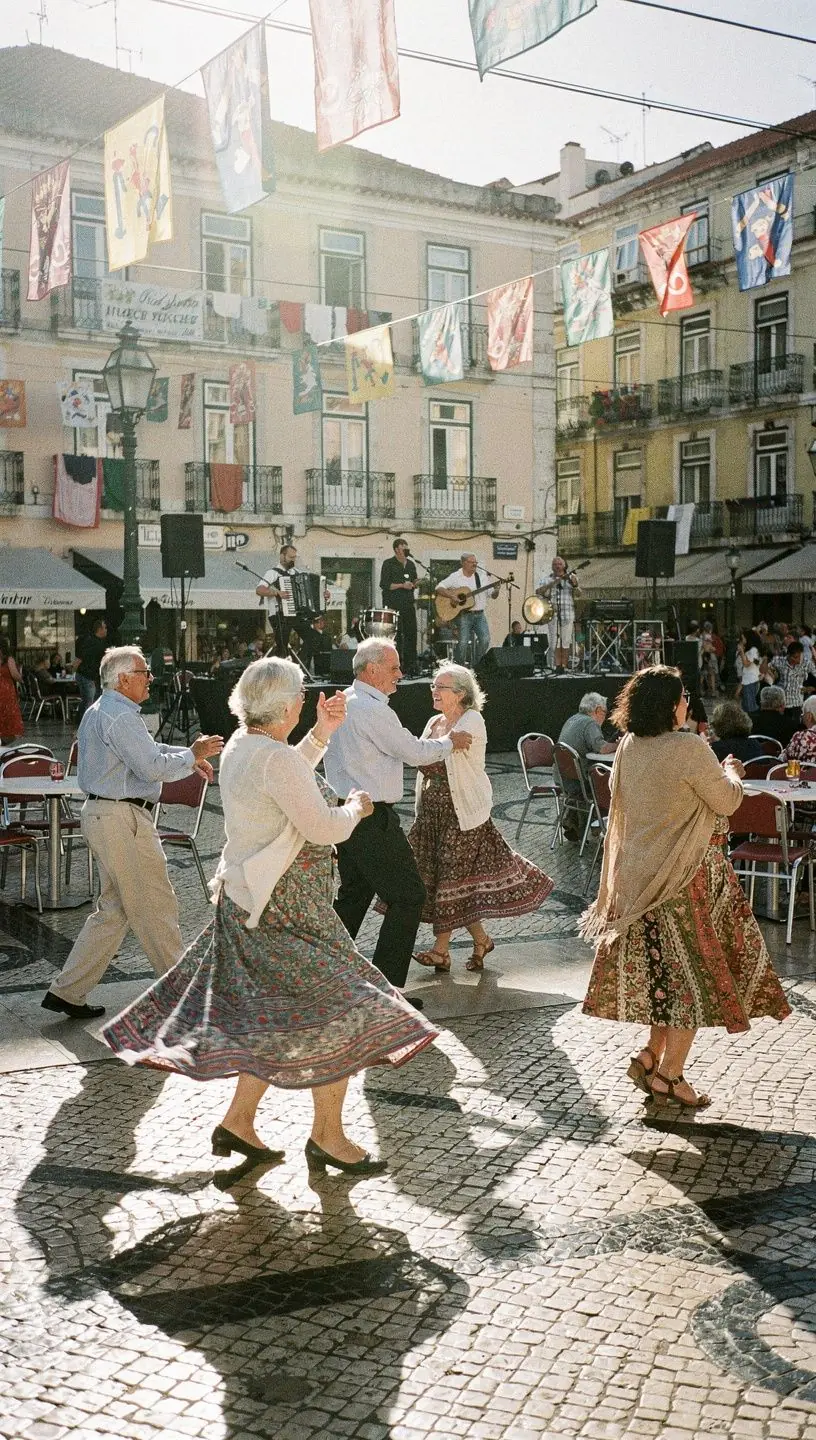
Practical Approaches to Facilitating Group Dance Events
Incorporating dance into structured group sessions can be a transformative experience for participants, particularly in settings focused on social reintegration. This article explores effective methodologies for facilitating group dance events, drawing on research and expert recommendations to provide practical insights.
Understanding the Basics of Group Dance Events
Facilitating group dance events involves several foundational principles. According to research, engaging participants in a shared activity like dance can enhance social connections and improve mental well-being. Experts recommend creating an environment that fosters cooperation and trust, as these elements are crucial for effective group dynamics.
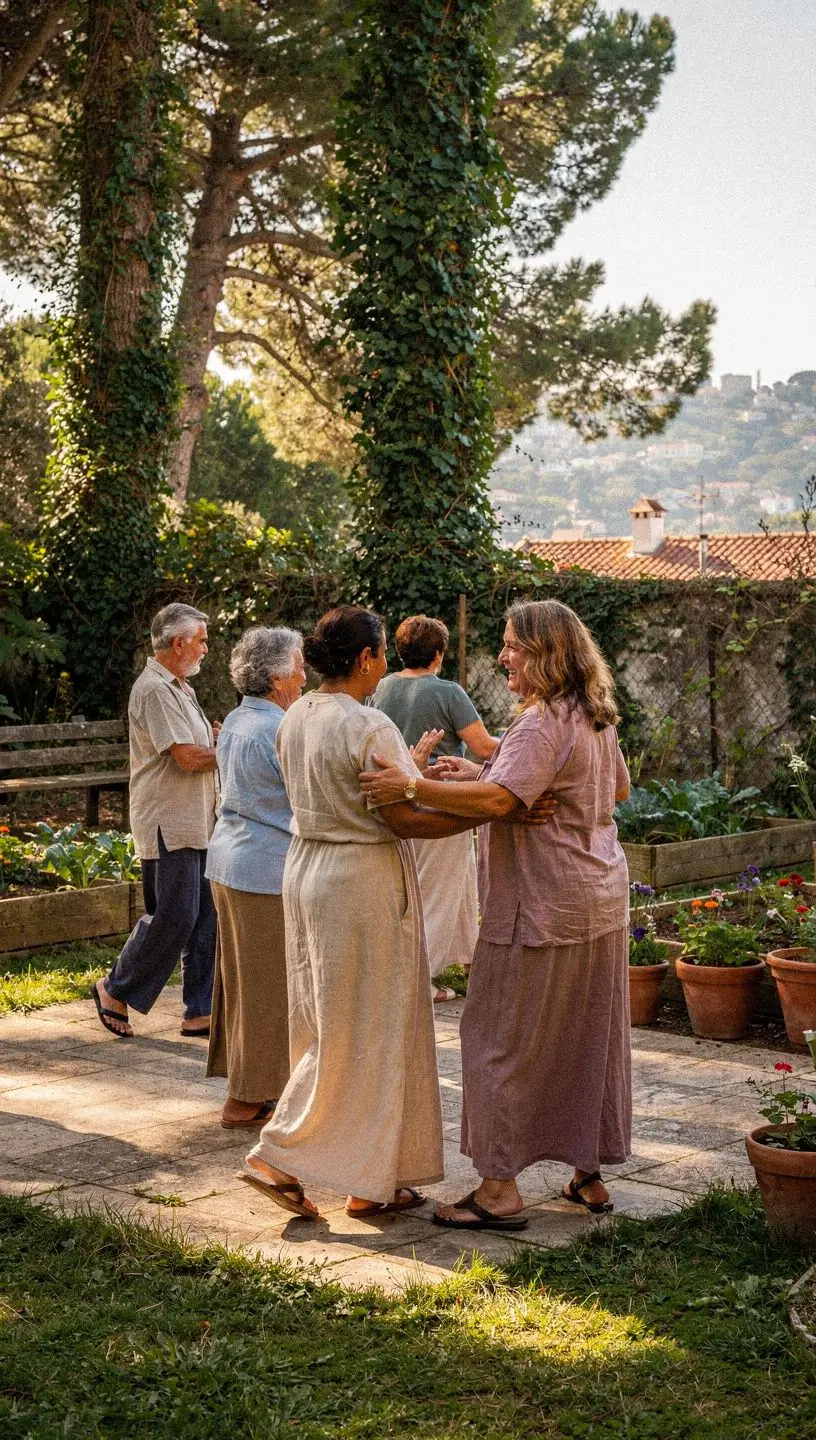
"Incorporating movement into therapy can lead to significant improvements in emotional expression." - Dance Therapy Journal
Key Considerations for Successful Facilitation
When organizing group dance events, consider the following practical approaches:
- Establish Clear Objectives: Define what you aim to achieve through the event. This could range from enhancing social skills to fostering a sense of community among participants. A clear focus can guide the activities you choose and the structure of the session.
- Adapt to Participants' Needs: Understand the backgrounds and abilities of your participants. Many users report that tailoring sessions to accommodate different skill levels and preferences can significantly enhance engagement and participation.
- Utilize Structured Activities: Incorporating structured dance activities can help maintain focus and encourage participation. Research shows that well-organized sessions can lead to better outcomes, as participants feel more secure in their roles.
Developing an Inclusive Environment
Creating an inclusive atmosphere is essential for successful group dance events. Consider the following strategies:
- Encouragement and Support: Provide positive reinforcement throughout the session. This approach can help participants feel more comfortable and willing to explore their capabilities.
- Foster Teamwork: Incorporate activities that require collaboration. This not only builds camaraderie but can also lead to increased motivation, as participants often thrive in supportive environments.
- Feedback Mechanism: Allow participants to share their experiences and suggestions. Incorporating feedback can help refine future sessions and make participants feel valued.
Managing Challenges
While facilitating group dance events can be rewarding, it is important to acknowledge potential challenges:
- Time Commitment: Planning and executing a successful event typically takes several weeks of preparation. It's essential to schedule enough time for both planning and practice.
- Effort Required: Participants may need time to adjust to group dynamics and dance activities. Many report that consistent practice is necessary to build confidence and improve skills.
- Prior Knowledge: Events may work best when participants have some familiarity with dance or movement. If they are complete beginners, consider offering introductory sessions before the main event.
Conclusion
Facilitating group dance events can be an effective tool for social reintegration and personal development. By understanding the foundational principles, adapting to participants' needs, and fostering an inclusive environment, facilitators can create enriching experiences that promote connection and well-being. Remember, the journey of dance is a process that typically requires time and patience, but the benefits can be profound.