The Role of Rhythm in Social Interaction and Connection
Rhythm is an integral part of human experience, influencing our emotions and interactions. This article delves into how rhythm can foster social connections, particularly in structured environments like coaching academies that focus on social reintegration through dance events.
Understanding the Basics of Rhythm
Rhythm refers to a strong, regular, repeated pattern of movement or sound. It plays a crucial role in music and dance, but its impact goes beyond artistic expression. According to research from the Journal of Music Therapy, engaging in rhythmic activities can significantly enhance social bonding and communication skills among individuals.

"Engaging in rhythmic activities can create a shared experience that fosters social connections." - Dr. Sarah Thompson, Music Psychologist
The Science Behind Rhythm and Connection
Studies show that engaging with rhythm can stimulate the release of oxytocin, a hormone associated with bonding and social interaction. This principle helps explain why group dance sessions often lead to increased feelings of camaraderie among participants. The following points summarize how rhythm fosters social interaction:
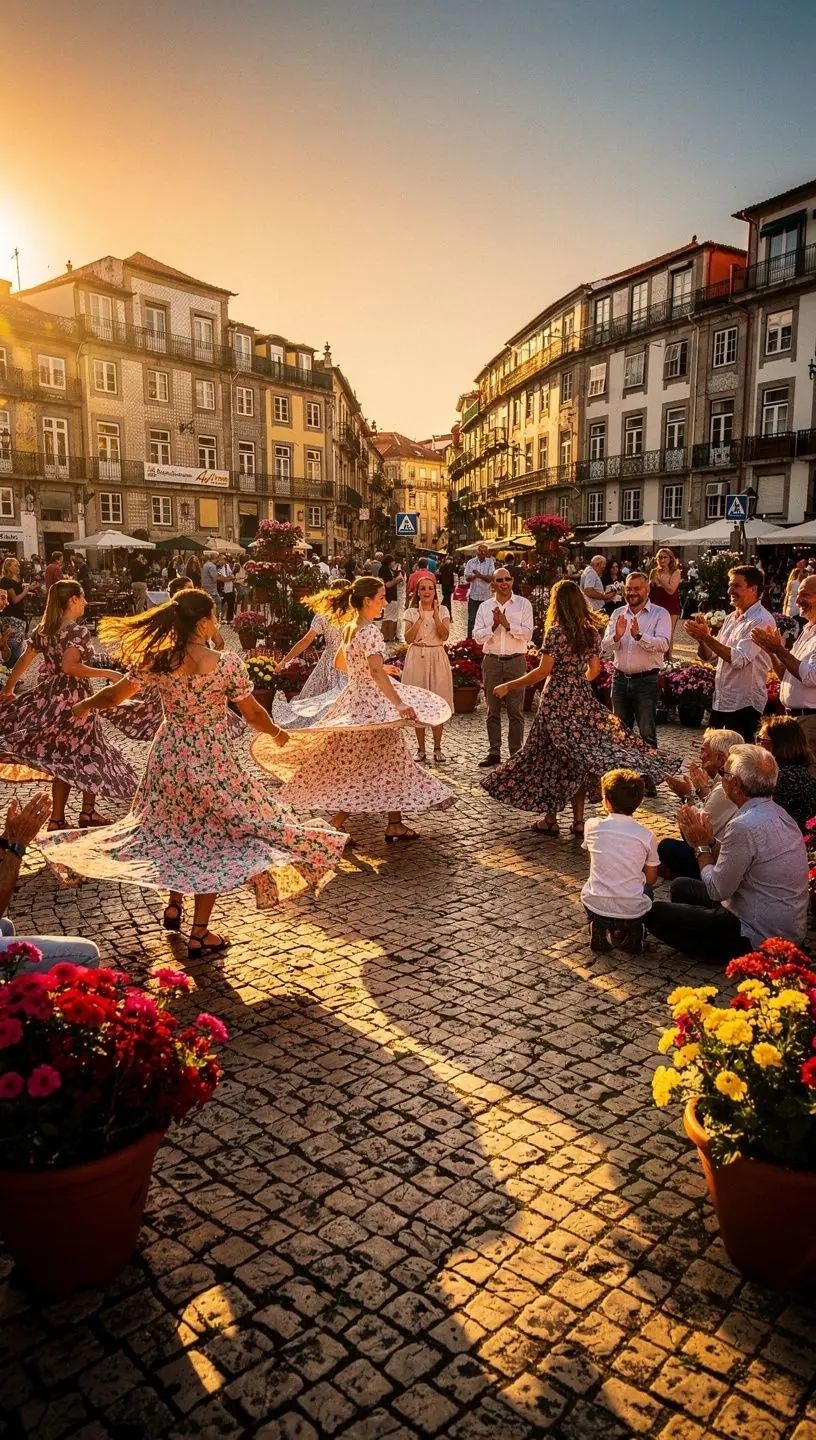
- Synchrony: When participants engage in synchronized movements, they often report feeling more connected to one another. This synchrony is foundational in many group activities, fostering a sense of community.
- Emotional Expression: Rhythm allows individuals to express emotions non-verbally. In a dance context, this can lead to deeper understanding and empathy among group members.
- Increased Engagement: Structured sessions that incorporate rhythm typically enhance participation. Participants often feel more motivated to connect when they are physically engaged in a rhythmic activity.
Practical Application in Coaching Academies
For coaching academies focused on social reintegration, incorporating rhythm and dance into structured group sessions can be an effective strategy. The methodology often involves:
- Creating a welcoming environment where participants feel safe to express themselves through movement.
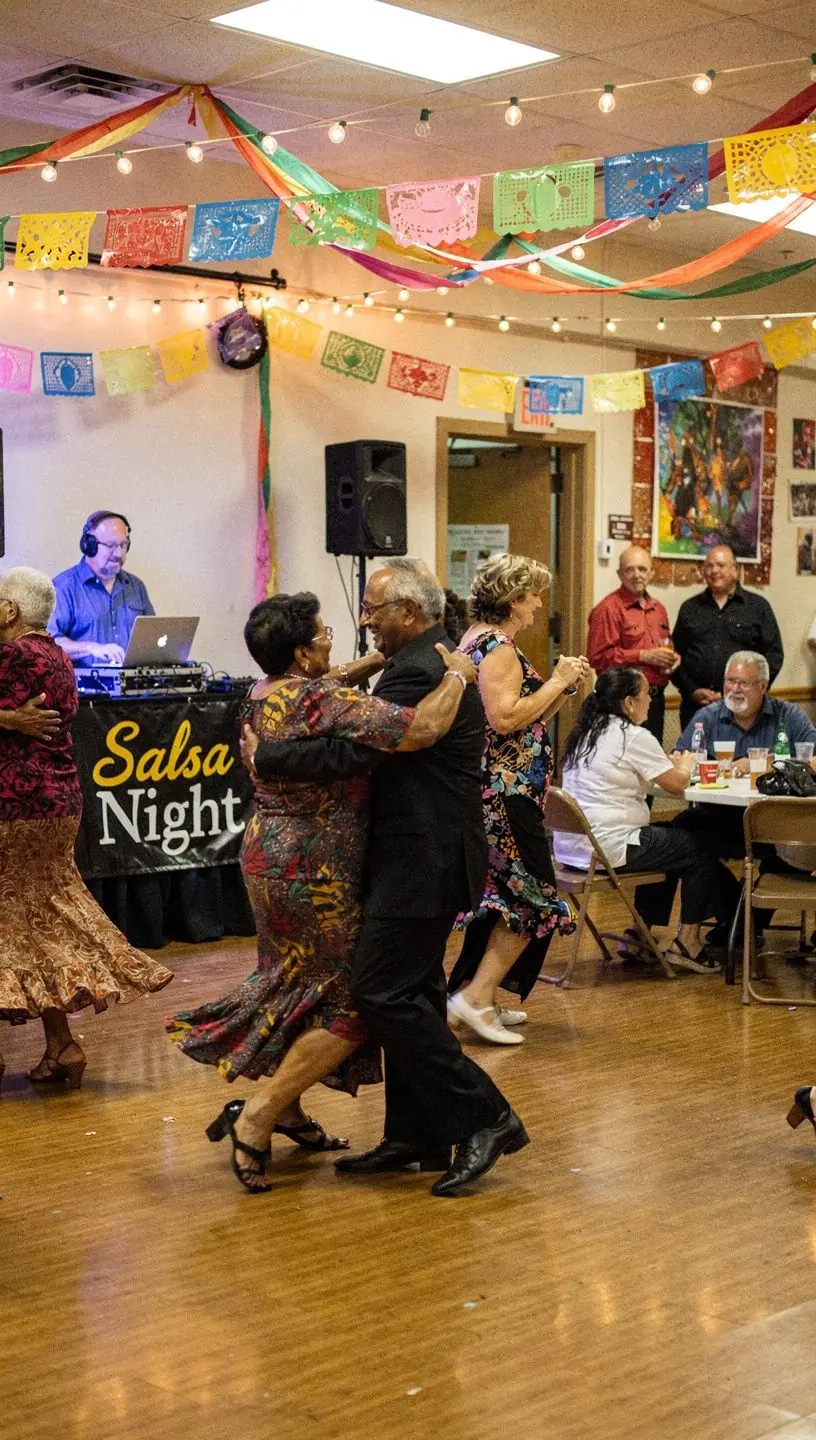
- Utilizing various rhythmic activities to encourage interaction—this may include drumming circles, dance sessions, or movement exercises designed to align with musical beats.
- Facilitating discussions post-activity to reflect on shared experiences, which can further enhance social connections.
These approaches, while effective, typically require consistent practice and commitment from participants to see significant improvement in social skills. Many users report that results can appear within a few weeks, especially in supportive group settings.
Conclusion
Incorporating rhythm into social reintegration strategies can significantly enhance interpersonal connections among individuals. By fostering an environment that encourages rhythmic engagement, coaching academies can help participants develop valuable social skills and emotional bonds. While the process requires dedication, the outcomes can lead to lasting improvements in community integration and personal relationships.
Learn More